
3 key questions to ask before your next executive appointment
01 September 2026

Every executive brief answers the same opening question: what does this business need this person to change? Growth has stalled, a function needs rebuilding, a strategy needs someone who can actually land it. That part gets plenty of airtime and it’s usually the whole reason the role exists.
But there are two more questions worth just as much attention, and they tend to get far less of it.
What must this leader change?
This is the easy one. It’s in the brief, it’s in the interview, it’s the story everyone tells about why the role is open. A new CEO to take a founder-led business through its next stage of growth. A new CFO to lead a capital raise or prepare the business for investment. A new GM to fix a stalling sales engine. A new Head of Ops because the current way of working won’t survive another year of growth. Everyone can point to it, because it’s usually the reason the conversation started in the first place.
It also makes for a clean interview process. Candidates can point to a past turnaround, a system they rebuilt, a team they scaled. It’s concrete, it’s measurable, and it photographs well on a CV.
What must they protect?
This is the one that often gets skipped, and it’s why appointments that look right on paper can still go wrong in practice. Every organisation has things that work: a culture people are genuinely proud of, relationships built over years, a founder’s instinct for the market, ways of operating that took a long time to earn and would take even longer to rebuild. A leader who comes in focused purely on what needs fixing, without a clear sense of what needs safeguarding, can dismantle the very things that made the business worth joining.
This isn’t about protecting the status quo for its own sake, nor is it an argument against change. Most appointments exist precisely because change is needed. It’s about being deliberate. Before the appointment is made, it’s worth asking plainly, and asking out loud in the room: what here is currently working, and what would it cost us to lose it? That answer needs to be part of the brief and part of the interview process, not an afterthought discovered six months in when good people start quietly leaving.
Who will they need to become as the organisation grows?
This is the forward-looking question, and it’s what separates hiring for the role in front of you from hiring for the business you’re building. The person who’s right for a 40-person company isn’t automatically right for a 150-person one. Growth changes what leadership actually requires – more delegation, less doing; more structure, less instinct; more formal reporting lines, fewer conversations that happen because two people know each other well; different stakeholders, different boards, different expectations of how decisions get made and communicated.
Plenty of leaders who are brilliant at building are, understandably, less comfortable running what they’ve built. And plenty of leaders who are excellent operators struggle in the messier, more ambiguous conditions of an earlier stage. Neither is a flaw – it’s a mismatch of stage to strength, and it’s exactly the kind of thing a good search process should be testing for, not discovering after the fact.
A great appointment isn’t just someone who fits today’s shape. It’s someone with the self-awareness to know what they’ll need to learn, and the range to actually grow into tomorrow’s.
Why this matters.
The first question gets answered in every brief. The second rarely gets asked, and its absence is behind a lot of appointments that technically tick every box but quietly fail to land culturally. The third is what turns a good hire into the right one for the next chapter, not just this one.
None of this shows up cleanly in a job spec or a competency framework. It shows up in the conversations before the brief is even written – the ones where a board or a founder is pushed to be honest about what they’re actually protecting, and what they genuinely don’t yet know about the leader they need next. That’s harder work than listing requirements, but it’s where the difference between a good appointment and the right one actually gets made.
Worth sitting with, before the search even begins.
At LEAD Executive Search, we work closely with organisations navigating complexity, growth and change. We focus on senior leadership appointments where outcomes and cultural alignment matter – helping organisations appoint leaders who don’t just fit the brief, but protect what makes the business work and grow into what it’s becoming.
Because we’re in continuous conversation with senior leaders across the market, we have current insight into who’s out there, what they’re capable of, and how they’ll actually operate under pressure. That means we can move quickly and confidently to find leaders whose experience, judgement and approach genuinely fit your situation, not just their CV.
If you’re weighing up your next senior appointment, we’d love to help you think it through. Get in touch with us at [email protected]
Latest insights
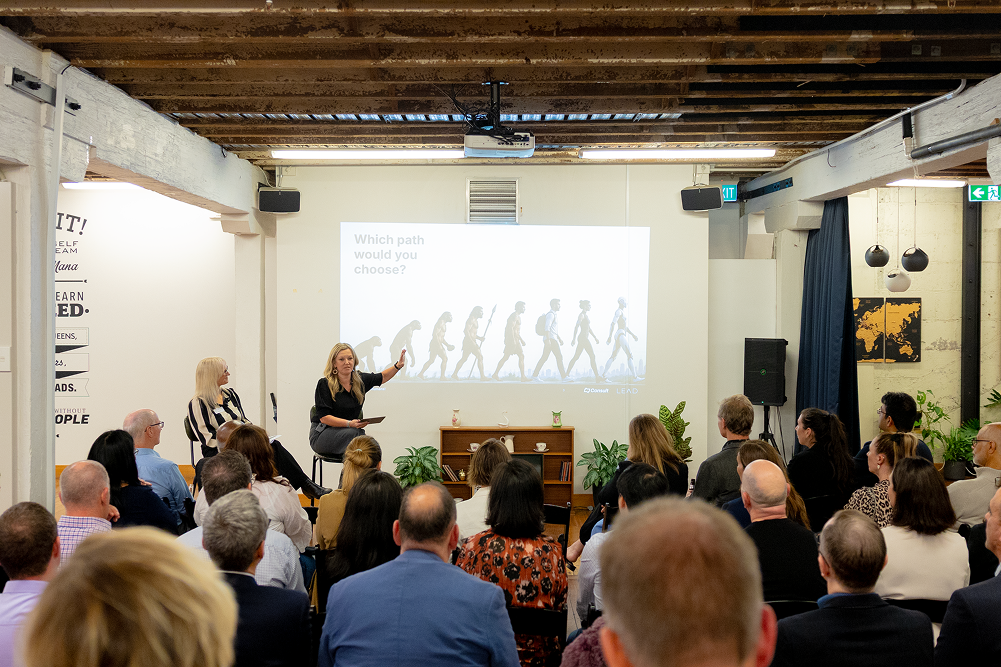
On 17th September 2026, LEAD Executive Search together with Consult proudly co-hosted our new AI leadership event series: Bring back...

I sat in on a board meeting recently, where the director asked a fair question. If our CFO left tomorrow,...

I had two conversations in the same week. Same business. Same team. Yet I heard two completely different stories. A...