

This article was published with our partners, Consult Recruitment.
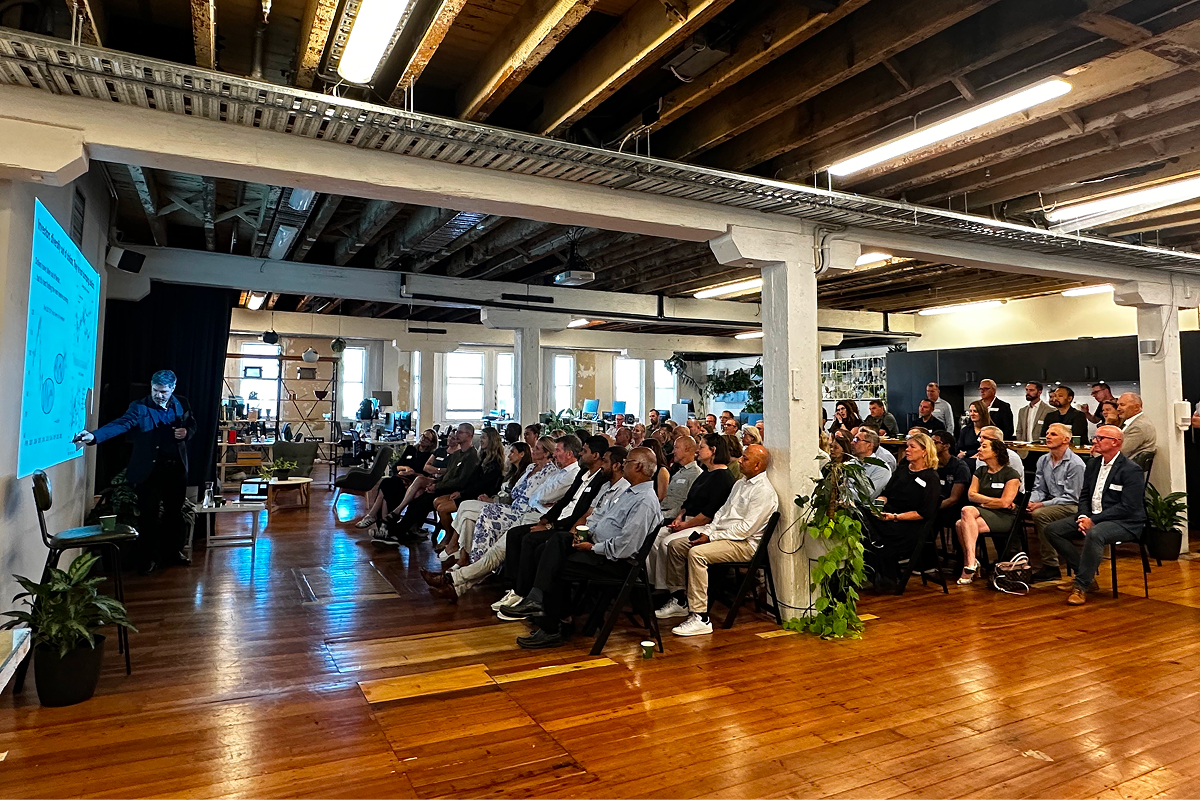
It’s always great to have Jarrod back in our office to deliver another timely economic update. As always, he brought candour and a healthy dose of realism breaking down what’s happening globally and locally, and what it all means for us here in New Zealand.
As Jarrod put it:
“The theme for this year is “Fix in ‘26”… It is time to fix this economy and get us recovering.”
Here are the key takeaways from this session:
1. Interest rates: Stability now, gradual rises later
The Reserve Bank has shifted its tone, and that change is beginning to flow through to markets, borrowers and business confidence.
The view is:
- Inflation is expected to return to around 2% by the end of the year.
- Interest rates are likely to remain relatively stable through 2026.
- If the recovery continues, we may see gradual rate hikes next year – but nothing aggressive, just a return toward a more “neutral” setting.
Importantly, rate increases would signal a strengthening economy and not a return to crisis conditions.
There’s also been a shift in borrower behaviour. Where many were previously fixing short-term (6 months to 1 year), more people are now choosing longer term certainty, signalling a market that is starting to look ahead with greater confidence..
2. Global growth & the NZ dollar
China has been cutting interest rates and stimulating its economy after a weak period, which means one of our larger trading partners should see a bit more growth this year and next. That improvement should help support NZ’s export demand through 2026.
At the same time, the NZ dollar has weakened (particularly against Australia) which puts New Zealand “on sale” for our largest services market and key export destination.
For exporters and tourism operators, that’s welcome news.
3. Credit is flowing again
One of the more significant (but less talked about) shifts is that banks are lending again.
During the recession period, loan supply was deeply constrained. Even viable businesses struggled to access funding. Now:
- Credit availability has improved.
- Banks are competing harder.
- Pricing is sharper.
That’s critical for recovery. Businesses need access to capital in order to invest, expand and hire.
4. The labour market is catching up to two years of recession
True recovery won’t be measured by GDP headlines alone. It will show up when:
- Hiring resumes.
- Hours worked increase.
- Businesses move from restructuring into growth mode.
While unemployment hasn’t spiked dramatically, total hours worked have fallen significantly – many people have remained employed, but with reduced hours. That reduction in hours has been a major, but quieter, driver of the downturn.
The real recovery will first show up in increased hours.
5. Household pressure easing but unevenly
Electricity, food and insurance costs have hit households hard.
Jarrod highlighted the uneven impact of inflation: lower-income households have felt the pressure far more than higher earners as essential costs make up a larger proportion of their spending.
The good news is that inflation is trending down and wage growth is expected to outpace inflation over the next year. If sustained, that should gradually restore consumer confidence and discretionary spending for households… although this may take a while for us to heal.
6. Migration: A talent challenge
New Zealand has experienced a significant net outflow of people to Australia (more opportunity, higher pay, stronger growth…).
For employers, that means a tighter talent pool and increased competition for experienced professionals.
At the same time, migration into NZ has gotten low – a lot of migrants are coming here and not finding the jobs they thought they would find.
When the economy heats up and we’re hiring again, then we’ll take on more migrants and hopefully we will lose fewer of our Kiwis.
7. Investors are starting to re-enter the market
One of the more interesting dynamics in the housing market has been the absence, and now early return, of investors.
Over the past few years, investors were largely sidelined since they lost their interest deductibility (bright line tests, Triple CFA (CCCFA), tighter lending conditions).
In fact, during the downturn, more lending went to first home buyers than to investors – which isn’t usual given investors typically represent a much larger portion of the market.
Now we’re starting to see investors coming back and that’s key as they are a third of the market. If they’re on the sidelines, marginal price momentum stalls. Whereas if they’re coming back (and it looks like they are), then we’ll start to see more of a bit of a tone in markets.
Here’s to Fix in 2026!
We are all hoping for stabilising inflation, restoring confidence and allowing hiring and investment to gradually return.
A big thank you to Jarrod for sharing his insights so generously, and thanks to everyone who joined us bright and early for our breakfast session hosted by Consult Recruitment & LEAD Executive Search.
Follow us on LinkedIn to stay updated on future events, or reach out if you’d like to be part of the next one: [email protected]